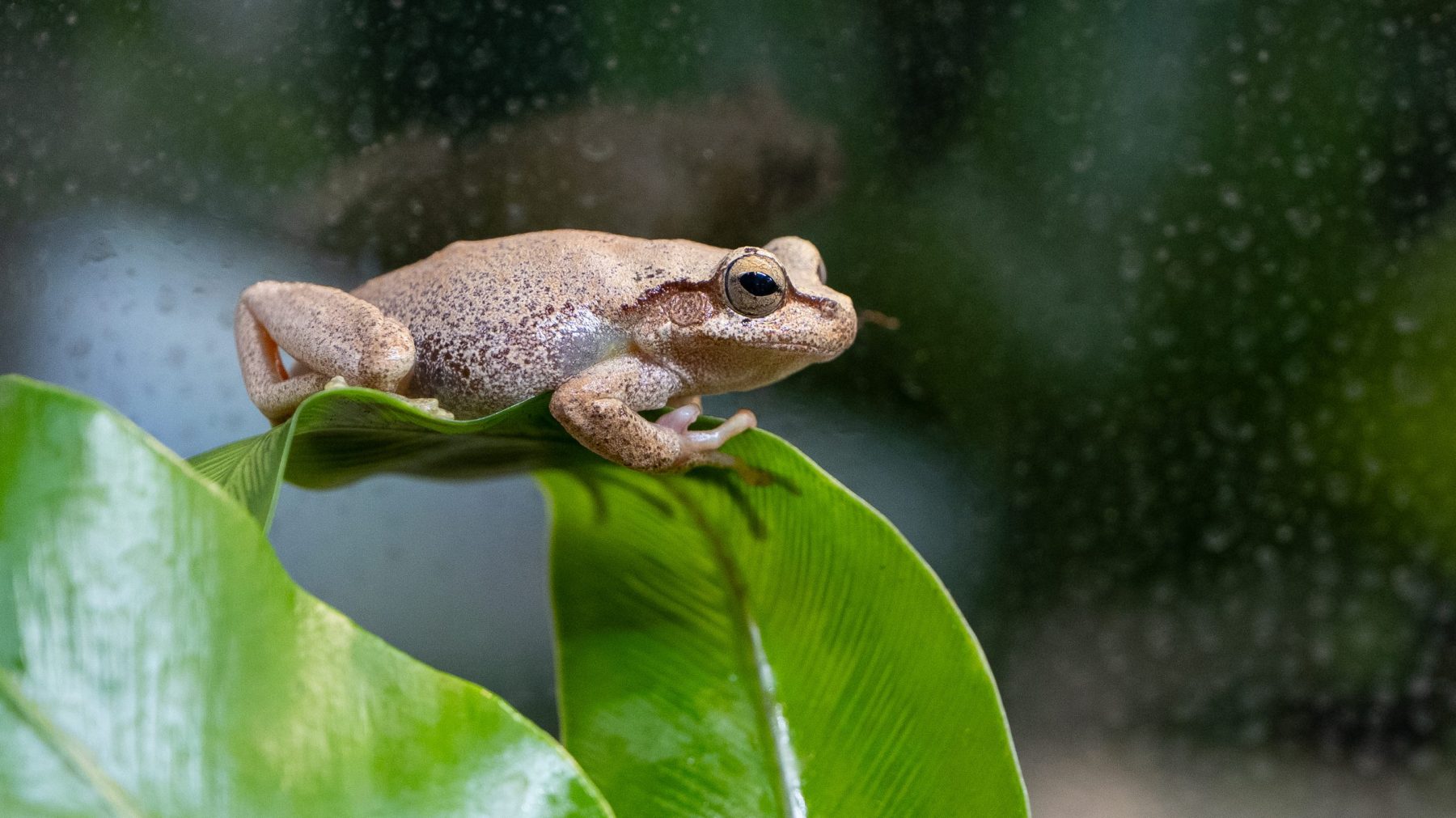
Aussie Ark and a coalition of scientists and conservation experts have warned that the endangered Littlejohn’s tree frog could be pushed toward extinction if the Hunter Transmission Project proceeds under its current design. A Development Application for the project is now before the NSW Department of Planning, Housing and Infrastructure.
The project, led by EnergyCo NSW, proposes a large renewable energy substation in the Watagans State Forest with an associated transmission corridor running through key habitat. Conservationists say the footprint overlaps the most important remaining breeding population of the frog, a species now known from just three significant populations nationwide.
EnergyCo has argued that refinements to the project route have avoided 60 out of 62 known breeding ponds and reduced vegetation clearing. However, experts warn the focus on isolated ponds overlooks the species’ reliance on an interconnected landscape. They say hydrology, vegetation and breeding connectivity are all critical elements that could be disrupted by the development.
Aussie Ark managing director Liz Gabriel said the issue is not renewable energy itself, but the consequences of placing infrastructure in the wrong location.
“This is not a debate about renewable energy. It is about whether progress should ever come at the permanent cost of extinction,” she said.
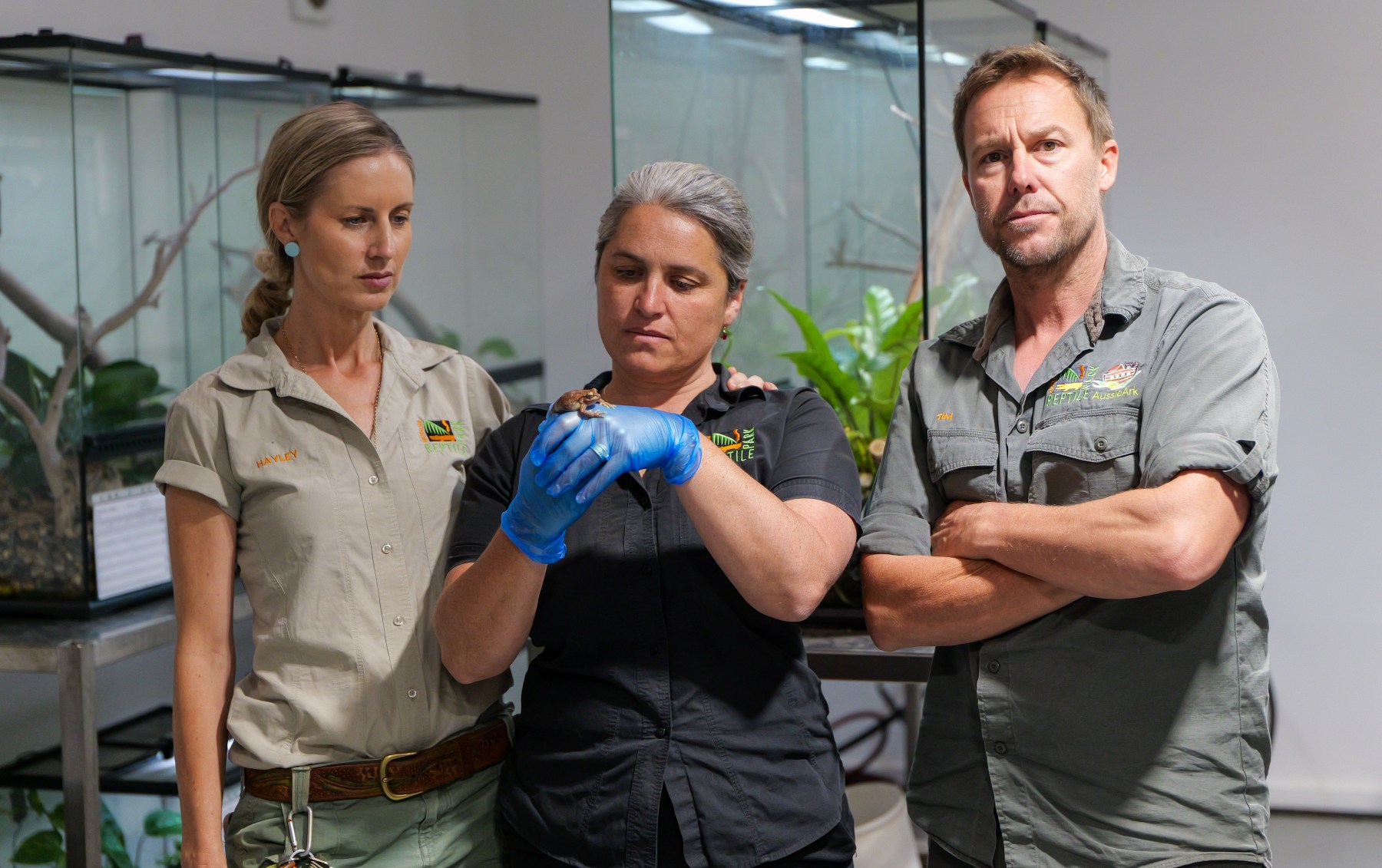
The University of Newcastle is working with Aussie Ark on a formal breeding and recovery program for the species, launched after populations were severely impacted by the 2019–20 bushfires.
Conservationists warn that allowing infrastructure to encroach on the Watagans stronghold could undo years of recovery efforts.
Aussie Ark is calling for direct ministerial engagement and for the proposed substation to be relocated to one of EnergyCo’s nine identified alternative sites to ensure the long-term survival of the species.