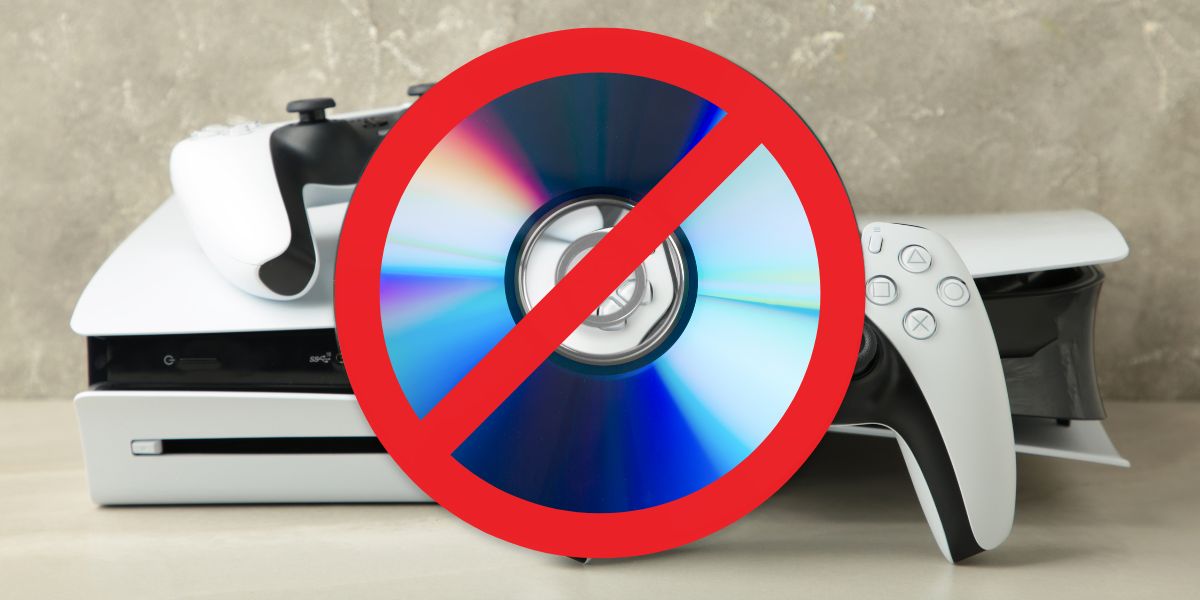
The physical video game disc is officially on notice. For decades, the ritual of heading to a local shop, grabbing a shiny plastic case from the shelf, and rushing home to pop it into a console has been the core of the gaming experience. But that era is rapidly drawing to a close. Sony PlayStation has sent shockwaves through the industry by announcing it will cease physical disc production for new games starting in January 2028. It is a massive pivot that tells us exactly where the medium is heading, and it raises a lot of questions about the upcoming PlayStation 6, backwards compatibility, and how much control players will have over their collections.
Sony broke the news via its official website, framing the transition to a digital release-only strategy as a direct response to shifting trends in consumer preferences. According to the company, the move is designed to align more closely with how the vast majority of the community chooses to access and play games today. It is hard to argue with the raw numbers—digital downloads and subscription services have been eclipsing physical sales for years. However, drawing a definitive line in the sand for 2028 makes the digital future feel less like a gradual transition and more like an impending reality. For those who still love a physical shelf display, there is a small silver lining: Sony confirmed this change will have no impact on titles released on disc prior to the January 2028 deadline.
“The move is designed to align more closely with how the vast majority of the community chooses to access and play games today.”
Grant Theft Auto 6 (GTA6) will be releasing with a digital code in the box rather than a physical disc.
So, how is this actually going to work, and what does it mean for the hardware sitting under your television? Industry analysts at Ampere Analytics have already parsed the data, and the consensus is that this decision heavily hints at Sony’s hardware timeline. This announcement almost certainly guarantees that the PlayStation 6 will not arrive until autumn 2028 at the earliest. Furthermore, the base model of the next-generation console will highly likely lack a built-in disc drive entirely.
To bridge the gap for players who still own a library of physical PS5 games, analysts predict Sony will either offer an external add-on disc drive (similar to the current PS5 Slim approach) or introduce a system that allows users to transfer physical media ownership into a permanent digital license.
Removing the physical drive is not just about forcing digital adoption; it is also a matter of keeping manufacturing costs from spiralling out of control. Recent hardware insider leaks suggest that a PS6 prototype would cost roughly $960US just to assemble today. That figure does not even account for shipping, storage, marketing, or retail margins. Stripping out complex mechanical parts like disc drives is a straightforward way for Sony to claw back some profit margins on what is shaping up to be an incredibly expensive piece of technology.
If you want to see the flip side of this digital coin, you only have to look at how legacy platforms are being treated. In a separate statement, Sony confirmed it will permanently close the PlayStation Store on the PS3 and PS Vita over the next year. Once those digital shopfronts close, purchasing new content on those devices will be impossible. It is a reminder of the biggest flaw in the digital-only model, when the publisher decides a platform is done, your access to buy those games vanishes forever.
If you are a gamer who values the flexibility of the Nintendo Switch ecosystem or enjoys Microsoft’s approach to game preservation, Sony’s strict cut-off point might feel a bit restrictive. Microsoft is already working on a counter-strategy called the “Disc2Digital” program. This feature will allow Xbox users to insert a physical Xbox One or Xbox Series X disc into a console, validate it, and receive a digital entitlement tied to their Microsoft account. Interestingly, the digital access is being set up to transfer if you sell the physical disc, meaning the second-hand market survives. Microsoft is using this to prepare for their own rumoured disc-less future, codenamed Project Helix, but they are doing it with a safety net for physical collectors.
Ultimately, this news is less about a surprise twist and more about the inevitable arrival of a future the industry has been building toward for a decade. While the loss of physical options will undoubtedly frustrate collectors and second-hand shoppers, the convenience of digital delivery has clearly won the broader consumer argument. The clock is ticking for the humble game disc, and January 2028 is set to be the moment the landscape changes forever.