The NSW Government’s H5 bird flu surveillance and monitoring program has confirmed a second positive case of H5 high pathogenicity avian influenza in a wild migratory seabird, again at Hawks Nest in the Hunter.
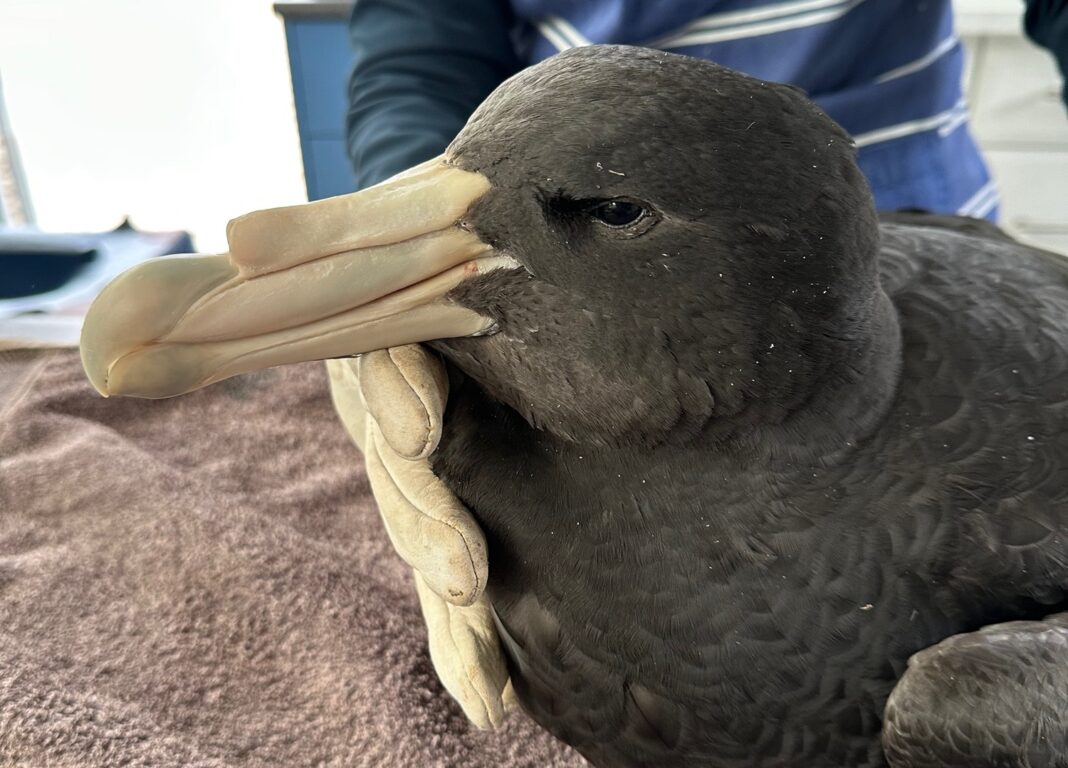
Samples from a Giant Petrel found on Bennetts Beach tested positive for H5 at the CSIRO’s Australian Centre for Disease Preparedness, following preliminary testing at the state government’s laboratory at the Elizabeth Macarthur Agricultural Institute. The bird was found following a report from a member of the public, with a national surveillance plan continuing to monitor for further detections and enable a rapid response.
The government said there were no signs of mass mortality in the area or elsewhere in NSW, and surveillance would continue to allow any further cases to be detected early.
Acting Minister for Agriculture Yasmin Catley said that risk to human health remains low.
“This is the second wild migratory bird to test positive, however, it is important to note that to date, H5 has not been detected in native birds or commercial poultry flocks in NSW,” she said.
“The detection of this bird demonstrates the Government’s increased and targeted surveillance and monitoring program is working as intended.
The State Coordination Centre has been operating at the Department of Primary Industry and Regional Development’s Orange Agricultural Institute since 19 June.
The detection comes as poultry producers and farmers across the Upper Hunter are being urged to strengthen on-farm biosecurity as a precaution, including restricting contact between birds and wild birds, securing feed and water storage, and closely monitoring flocks for signs of illness.
Anyone who notices sick or dead birds or other animals is urged not to touch them or get too close, and to record their location and report it to the 24-hour Emergency Animal Disease Hotline on 1800 675 888.