Australia’s national science agency CSIRO, in partnership with the Australian Energy Market Operator, has released its GenCost 2025-26 Final Report, finding renewable energy backed by storage remains the lowest-cost pathway for Australia’s electricity system to reach net zero emissions.
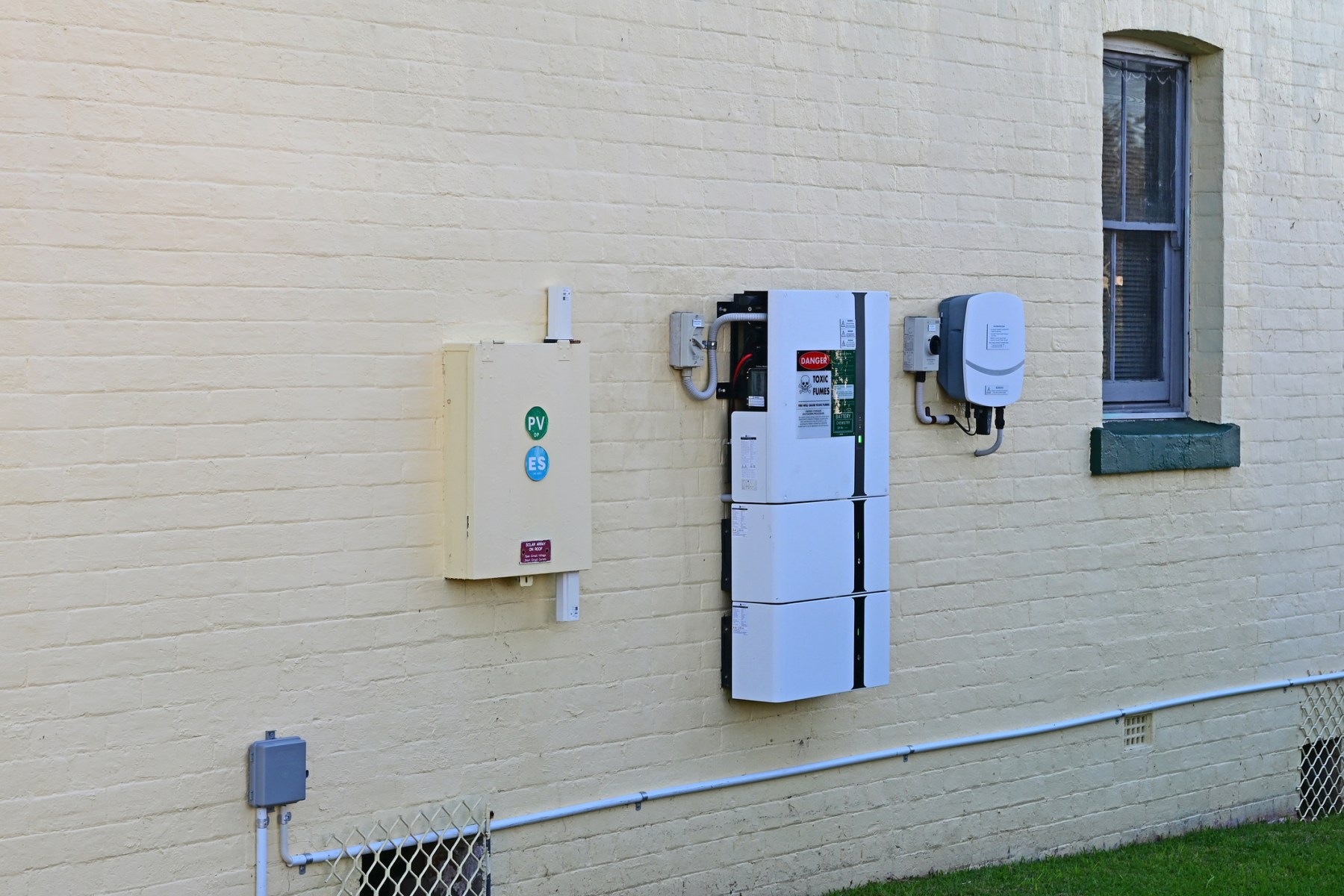
The report found electricity generation costs are expected to keep falling in the near term as battery storage costs decrease and capacity expands, while rising global demand for gas turbines, driven partly by US data centres, is pushing up costs for gas-based generation. CSIRO Chief Energy Economist and GenCost Project Leader Paul Graham said batteries were increasingly becoming the preferred flexible generation technology in the near term, though gas would still play a limited role in firming the system, contributing an estimated three to seven per cent of generation by 2050.
Under a net zero scenario, solar and onshore wind are projected to supply 93 per cent of Australia’s electricity by 2050, though the report cautions that all new generation technologies are expected to cost more than 100 dollars per megawatt hour by then, as ageing infrastructure is replaced.
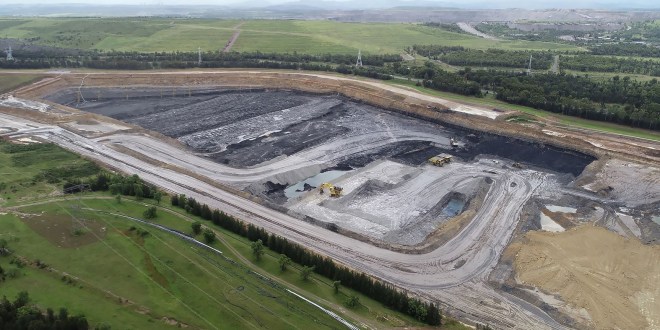
The findings reflect a shift already underway in the Hunter, where the former Liddell coal-fired power station site near Muswellbrook is being redeveloped into a battery and renewable energy hub. The 500 megawatt battery at the site is progressing towards full commercial operation, forming part of AGL’s plan to transform the former coal precinct into an integrated energy hub supporting grid reliability as more renewables enter the system.